


ADN Anti-Drone Net - Group 1
Add to quote to receive your pricing and lead times.
Product Code: NP-ADN-G1
Availability:
Made to order
Estimated lead time:
Provided with your quote
Quote response:
Within 1 business day
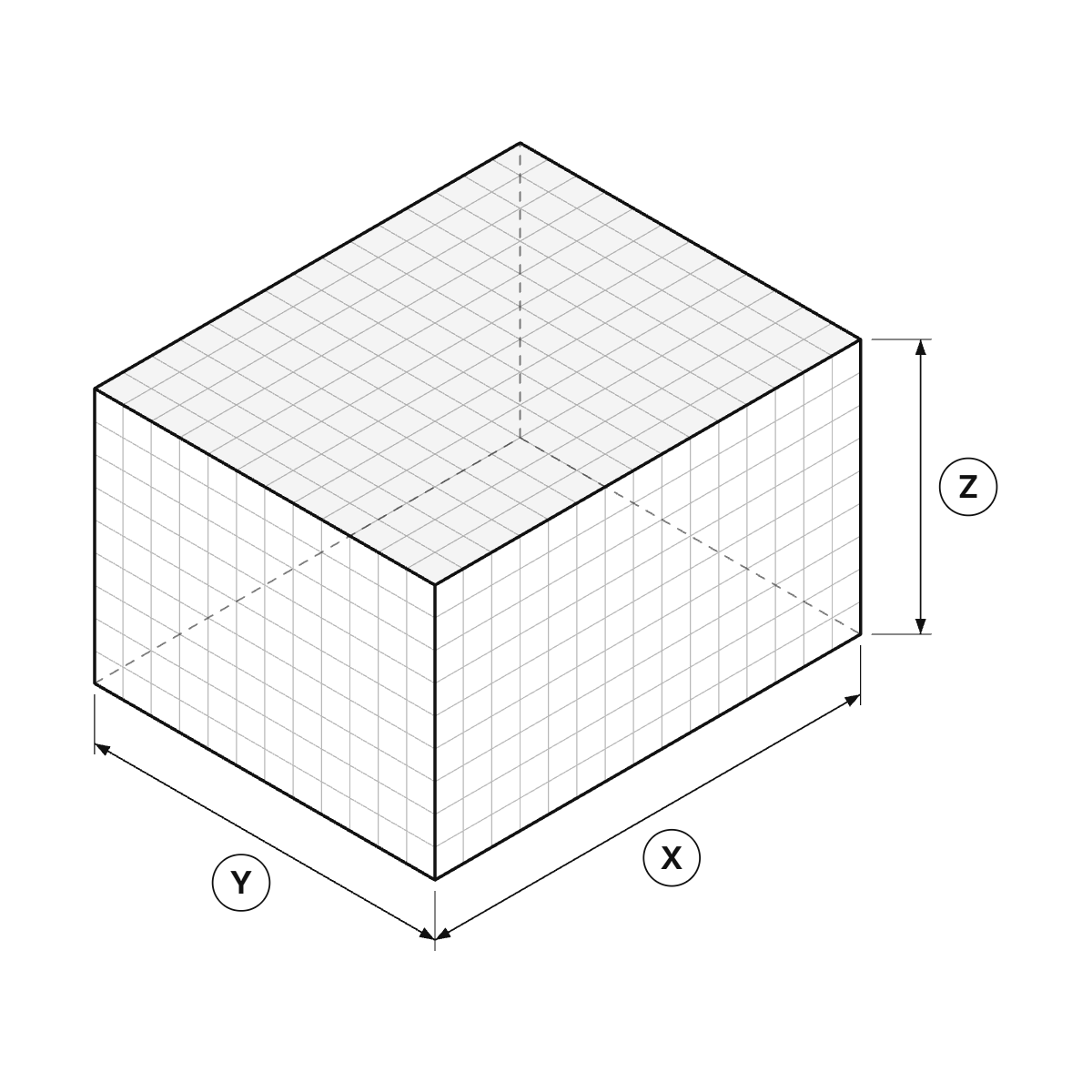
The ADN Anti-Drone Net - Group 1 is a passive physical C-UAS barrier designed to stop, entangle and contain small drones. It keeps drones out of a protected area or contains them inside a pilot training or test enclosure. It is custom-built as an enclosure to three dimensions: length, width and height.
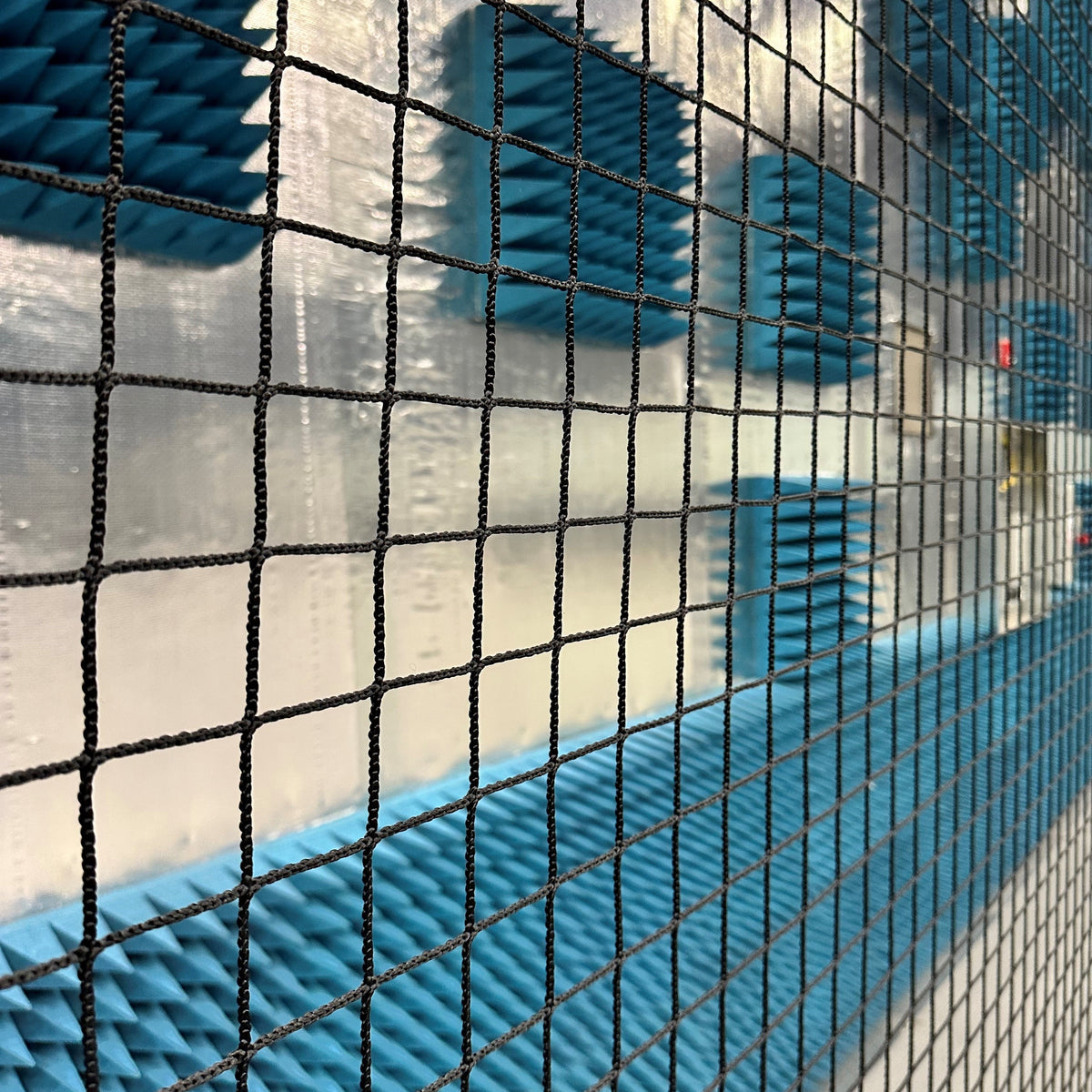
The enclosure is made of five single-layer net panels: a roof and four sides, each finished with a rope border. The panels are delivered separately and joined on site with the high-strength ties supplied, giving a continuous seam along the full length of each joint.
The ADN Group 1 enclosure is the first of three configurations in the Barry ADN range. It builds on Barry’s decades of expertise in controlled mass deceleration and engineered netting.
Applications
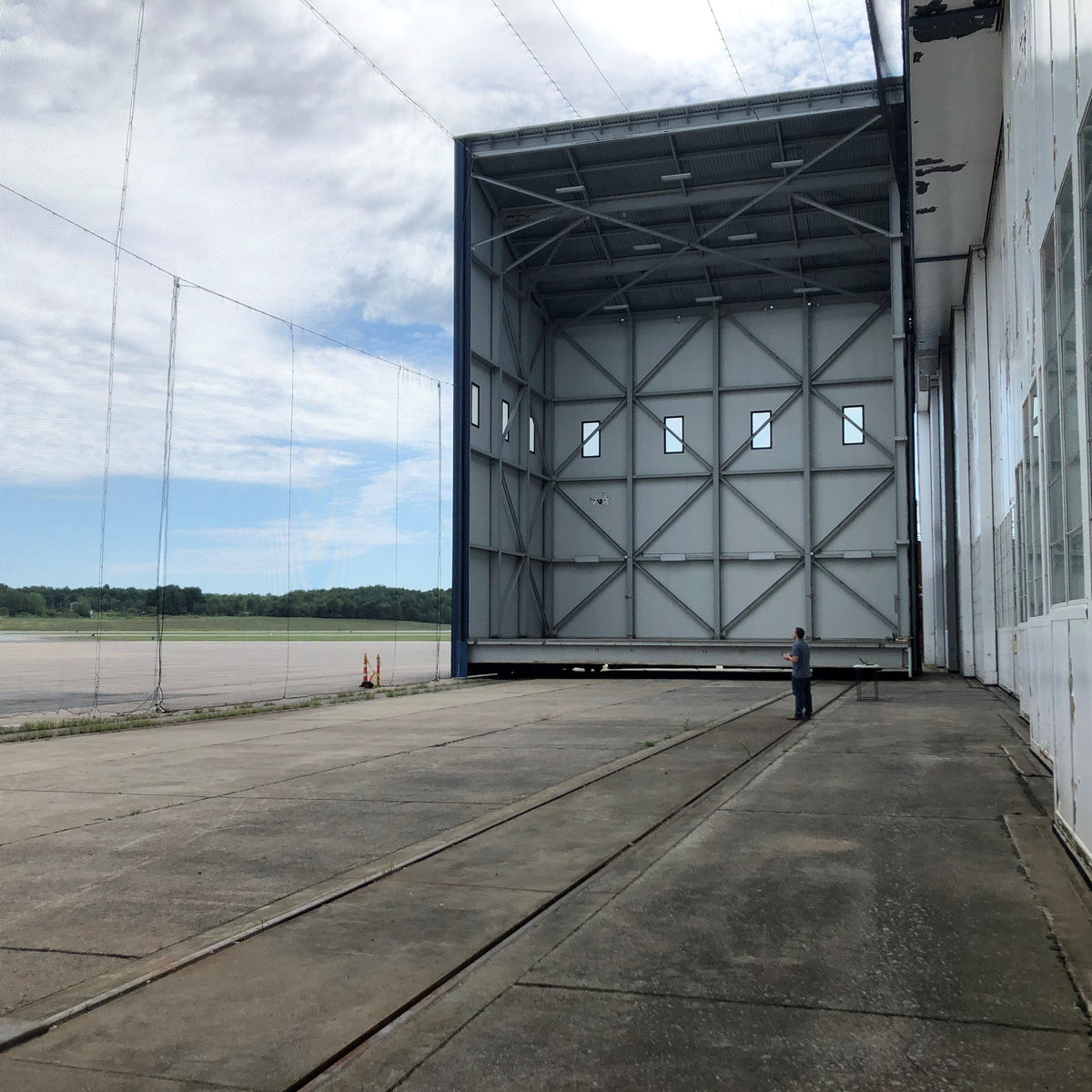
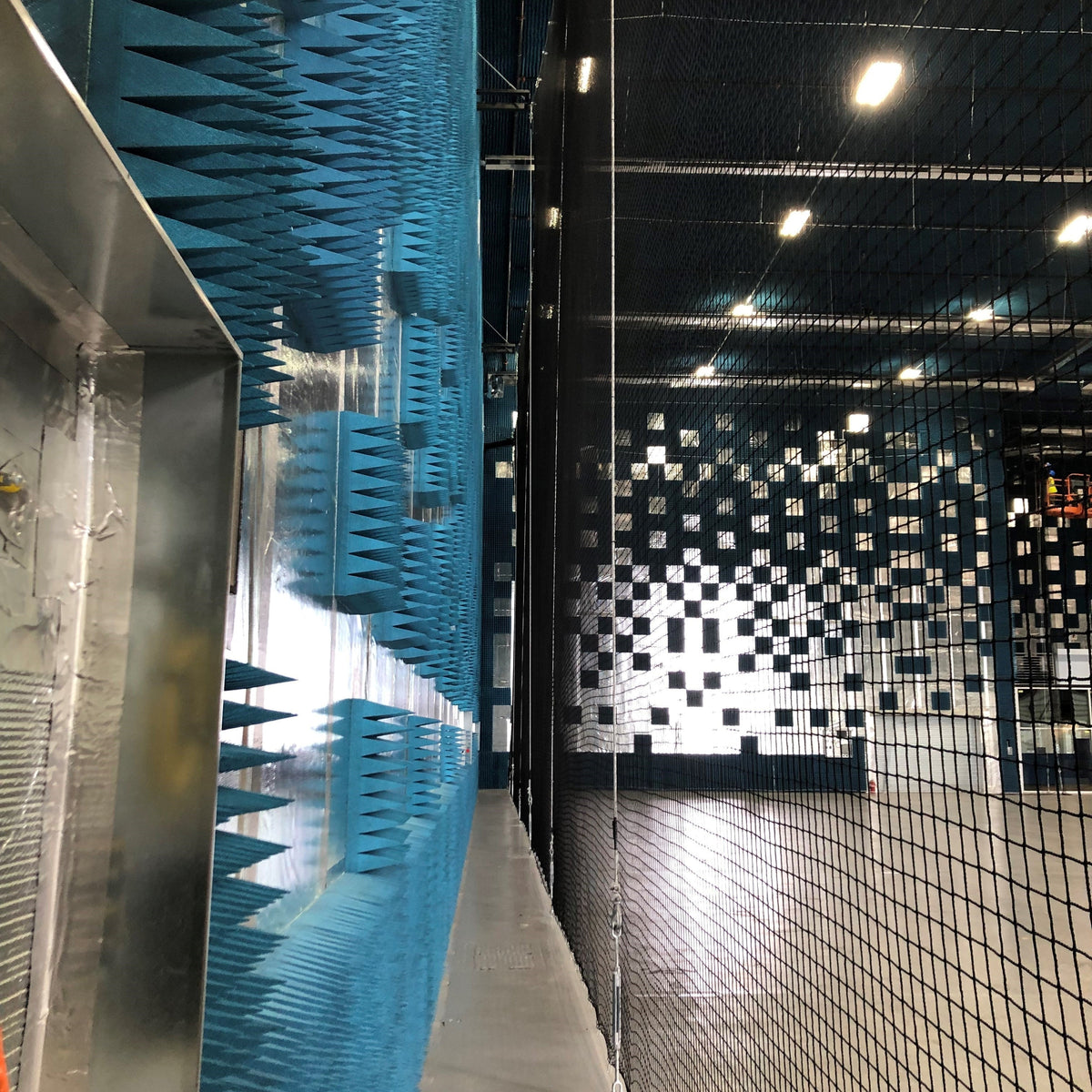
- Civil and military drone pilot training and test enclosures
- Fixed perimeter enclosures
- Protection of equipment, vehicles and high-value assets on the ground
- Critical infrastructure, such as substations and communication centres
- Prevention of airborne contraband drops
- Sensitive or restricted sites
Reference project: Barry supplied the safety netting that contains drones at Skydome, the indoor UAS test site at Griffiss Airport in Rome, New York. See the Skydome project.
Key Features
- Configuration: Single-layer net designed to entangle rotors and propellers
- Target: Small UAS (Group 1)
- Format: Five-panel enclosure: a roof and four sides
- Dimensions: Custom: length (X), width (Y), height (Z)
- Finishing: Rope border on every panel
- Assembly: High-strength ties, supplied
- Panels: Individually replaceable
- Materials: Fire- and weather-resistant, non-metallic and non-conductive
- Detailed technical data: Provided with the quote
Design Basis
The ADN Group 1 enclosure is designed for the low-altitude, short-range physical stop of small UAS. It is not designed for Group 2 and larger UAS or for loitering munitions, as such threats are covered by other configurations in the Barry ADN range.
Performance and Limitations
Barry anti-drone nets are designed to reduce the risk from specified drone threats. Performance depends on the threat, installation, supporting structure, and net condition; test results apply only to the configurations tested. The nets are intended as one layer of a broader protection system.
Scope of Supply
Barry supplies the net panels and the ties that join them. The supporting structure, steel cables and anchoring systems are sourced locally by the customer.
Options and Services
- Optional test swatches, for periodic verification of the net’s residual strength
- Residual strength testing, annually or according to the customer’s operating procedures
- Training on use and inspection
- Enclosures built to the drawings and specifications of the design engineers
- Technical specifications for installation tenders, on request
- Replacement panels available at any time and delivered quickly, for fast and simple repairs
- Repair kits that are easy to use in the field
How to Order
Enter the length (X), width (Y) and height (Z) of the area to protect, then add the enclosure to your quote cart. You will receive your pricing and lead time.
Downloads
Frequently Asked Questions
What is an anti-drone net?
An anti-drone net is a physical barrier installed around or above an area, either to keep small drones from reaching it or to contain drones flown inside it for pilot training and testing. Its protection is passive: it depends on no power supply, detection or jamming, and it works regardless of how the drone is guided, by radio or by fibre optic. The ADN Anti-Drone Net - Group 1 complements electronic counter-drone systems as a last physical barrier.
What is a Group 1 drone?
In the U.S. UAS classification, Group 1 covers small drones weighing 20 lb (9 kg) or less. It includes most commercial quadcopters and FPV drones. Enclosure performance by drone mass and speed is specified with the quote.
How is the enclosure installed?
The panels are joined on site and hung from a supporting structure: a building for indoor installations, or posts of sufficient height. The roof panel is usually attached to steel cables around its perimeter, with additional or vertical cables where needed, and the nets can be anchored to the ground. A post-mounted enclosure uses at least four posts, one at each corner, and can be fitted with hoisting cables to raise and lower it.
How can net deflection be reduced?
Deflection is reduced by tensioning the nets along their perimeter or by adding support cables. Barry can advise on the arrangement suited to the structure.
How are the dimensions determined?
Every enclosure is made to measure. Its dimensions match the area to protect, plus a standoff distance between the net and the asset.
What is the net made of?
The net and its border are made of high-strength synthetic fibres. They contain no metal, are non-conductive and generate no radio-frequency interference (RFI). They are fire-resistant and weather-resistant.
Why is detailed technical data not published?
For operational security reasons, the detailed data sheet is provided to qualified customers with their quote.
Who is responsible for training and for choosing suitable products?
The Buyer is responsible for making sure that users are trained in the correct application and use of products purchased from Barry, and that any combination of Barry products is fit for purpose and appropriate for the intended use. These goods may be dangerous to human safety, may result in injury or death and may damage property if not used properly.
Need help choosing the right product?
Our experts are here to help.


