


Need help choosing the right product for your application?
Our experts are here to help - contact us today.
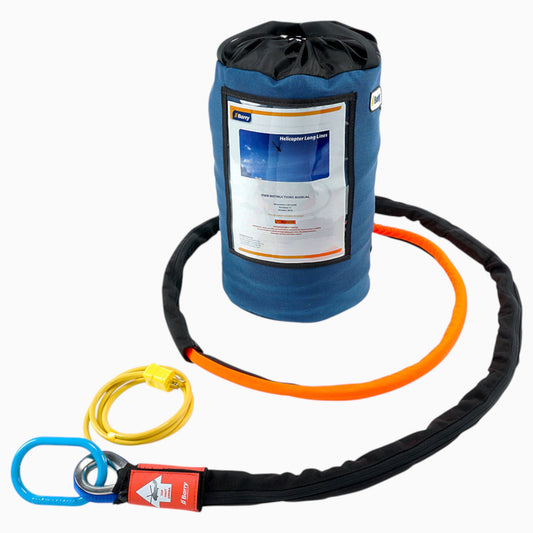
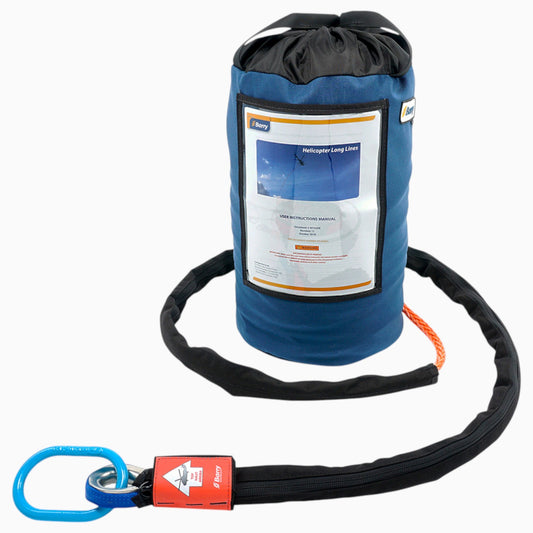
Helicopter Longlines for External Load Operations
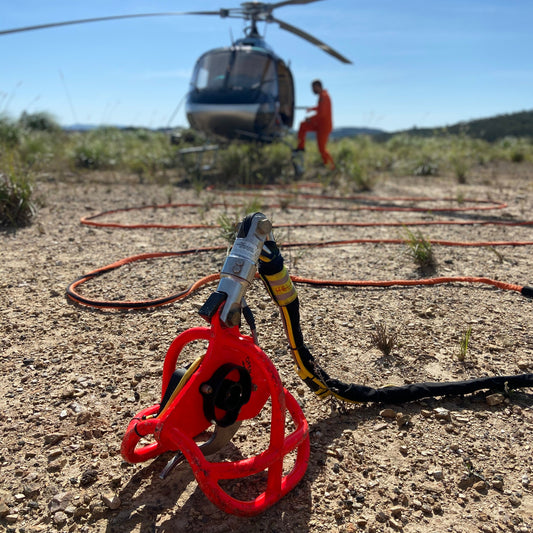
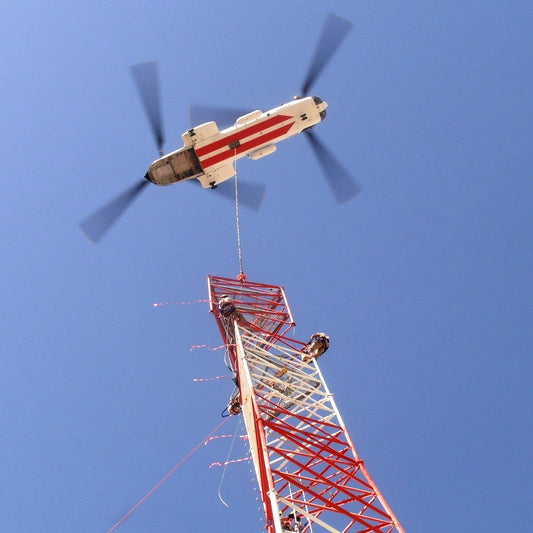
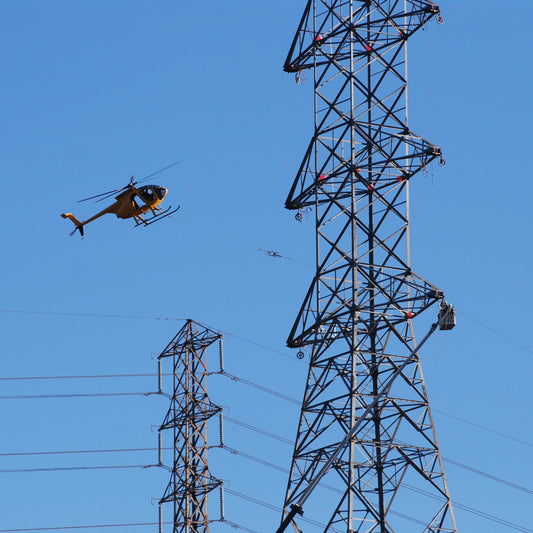
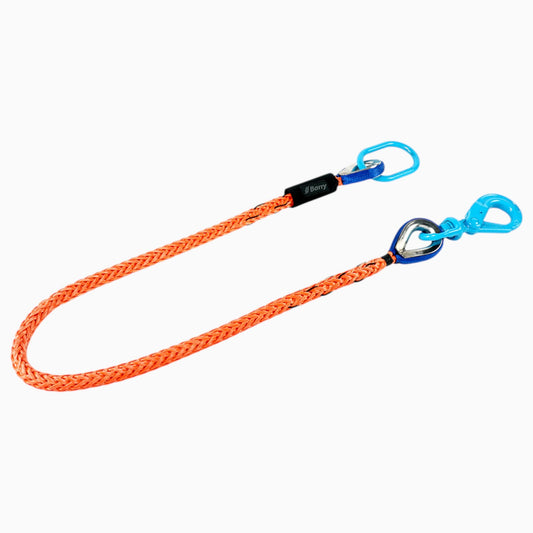
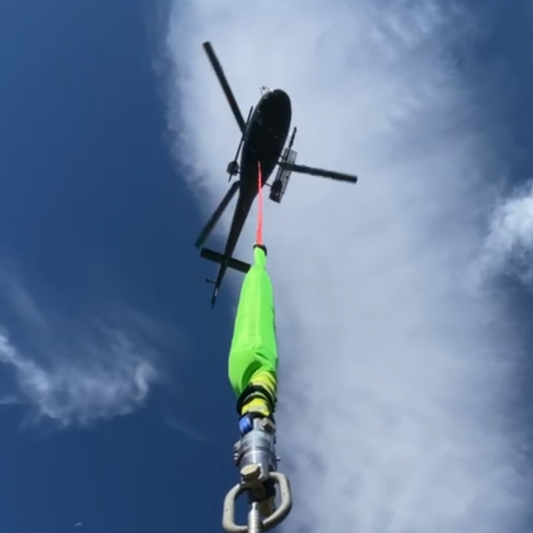
Our line of helicopter long line systems represents a transformative evolution in aviation, enabling versatile external load operations that are essential for utility tasks, firefighting, human external load missions, and cutting-edge UAV applications.
With a history of pioneering innovations and milestones, including increased payload capacity, lightweight materials, advanced load monitoring, and compatibility with tandem rotor and heavy lift helicopters, our products stand out. Barry has been at the forefront, offering in-depth user manuals, airworthiness engineering analysis, and longline inspection training.
From powering utility industry needs to aiding in firefighting, disaster relief and humanitarian missions, human external load operations, and adapting products for geophysical and UAV/drone applications, our longline systems continue to shape the aviation industry's capabilities, ensuring precision and efficiency across diverse sectors.
Barry helicopter longlines are supported by Airworthiness Analysis to FAA CFRs, CARs and EASA requirements, and are used in over 75 countries worldwide. These products carry a 10-year service and shelf life, and many will include EC/CE Compliant Markings for Europe.
Why Choose Barry Synthetic Longlines?
Our products stand out through a long history of innovation in helicopter external load equipment:
- Increased payload capacity: lightweight synthetic materials leave more of the helicopter's capacity for the load.
- Wide capacity range: working load limits from 3 000 lb to 29 000 lb, including systems compatible with tandem rotor and heavy lift helicopters.
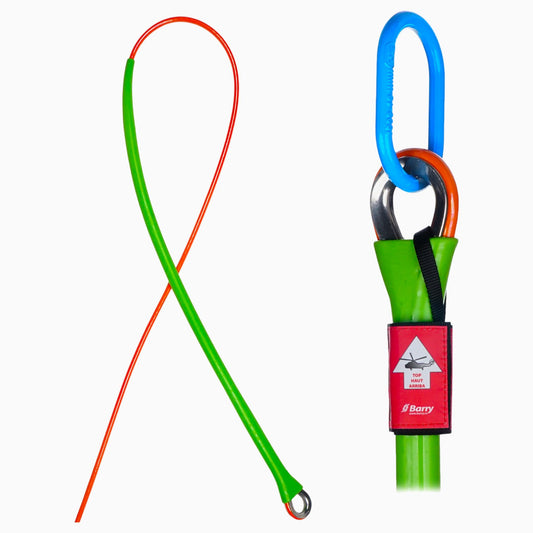
- Advanced load monitoring: wired longlines carry an electrical cable for remote hooks and load monitoring equipment.
- 10-year service and shelf life: products are condition-based throughout their life and must pass the inspections set out in the user instructions manual.
- Documented and supported: detailed user manuals, airworthiness engineering analyses and longline inspection training.
- European compliance: many products include CE-compliant markings for Europe.
Choose the Longline That Matches Your Load
Each longline is rated by its Working Load Limit (WLL). The right choice depends on the load, the length required and whether an electrical cable is needed.
- Helicopter Longline (Wired): 3 000 lb to 8 300 lb WLL, 25 ft to 200 ft, with electrical cable
- Helicopter Longline (Non-Wired): 3 000 lb to 8 300 lb WLL, 25 ft to 200 ft, no electrical cable
- Heavy-Lift Helicopter Longline: 11 500 lb to 29 000 lb WLL, 25 ft to 200 ft, with or without electrical cable
- Barry D.E.W. Line® Dielectric Helicopter Longline: 3 900 lb WLL, 25 ft to 200 ft, dielectric, no electrical cable
- Helicopter Short Lines: 3 000 lb to 8 300 lb WLL, 5 ft to 20 ft, no electrical cable
- Helicopter Lifting Sling Assembly: 4 000 lb to 10 000 lb WLL, 5 ft to 25 ft, no electrical cable
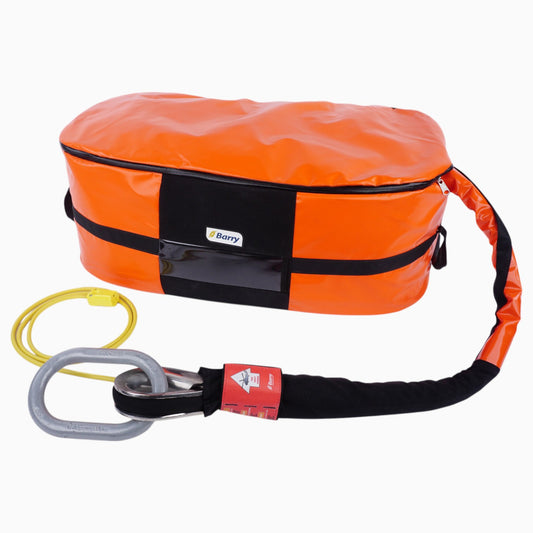
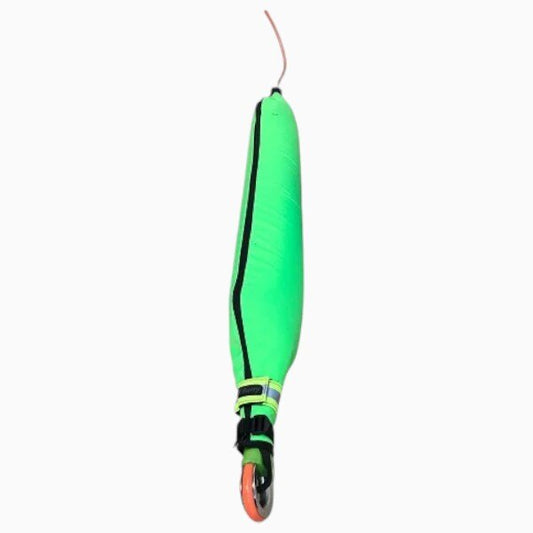
Accessories include longline protective zipper jackets and weighted end-covers. Other lengths and configurations are available upon request.
Frequently Asked Questions
These answers are based on the official Helicopter Longline User Instructions Manual, Document #091020E, Rev. 13, May 2021. For complete inspection, handling and maintenance requirements, download the Helicopter Longline User Manual.
What is a helicopter longline?
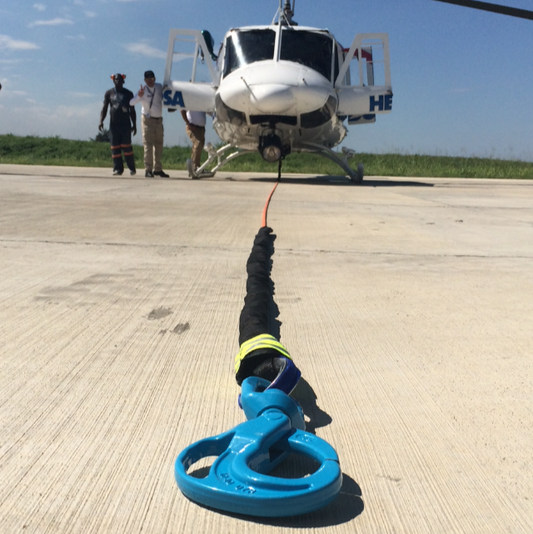
A helicopter longline is a lifting rope system designed to connect a helicopter to a suspended external load during helicopter cargo operations.
What are helicopter longlines used for?
Helicopter longlines are used to lift and transport external loads during industrial operations such as utility work, forestry operations, construction, and remote delivery.
What is the Working Load Limit (WLL)?
The Working Load Limit (WLL) is the maximum safe operational load the longline can carry. It is indicated on the product label and must never be exceeded.
What is the difference between WLL and Minimum Breaking Strength (MBS)?
The WLL is the safe working capacity. The MBS is the laboratory-tested breaking force. Always operate below the WLL.
Can helicopter longlines be used to lift people?
No. They are designed for cargo lifting only unless the system is specifically certified and approved for human external cargo operations under applicable aviation regulations.
What is the maximum shelf life and service life of a helicopter longline?
The maximum shelf life is 10 years and the maximum service life is 10 years. The maximum combined life (shelf life plus service life) is also 10 years. The longline is considered condition-based throughout its life and must pass inspections and maintenance recommendations as specified in the manufacturer’s user instructions manual.
What must be inspected before using a helicopter longline?
Before each use, inspect for cuts, torn fibers, abrasion, melted fibers, chemical contamination, damaged splices or stitching, damaged hardware, and missing or unreadable identification labels.
When must a helicopter longline be removed from service?
Remove it from service if there is excessive wear, cuts, broken fibers, heat damage, chemical exposure, damaged fittings, damaged stitching, or a missing or unreadable label.
Does Barry provide technical support for helicopter longlines?
Yes. Barry provides technical support, documentation, and guidance for helicopter external load lifting systems. Contact Barry directly.